
Gold has historically been viewed as a reliable safe haven investment, especially during periods of economic uncertainty. In recent years, rising global prices, persistent inflation concerns, and geopolitical tensions have pushed gold to record highs. As a result, gold price prediction has become a key focus for investors worldwide. In Sri Lanka, many investors are closely monitoring gold price prediction trends and the gold price today in Sri Lanka to decide whether it is the right time to buy or sell. This raises an important question: based on current gold price predictions, is gold still a smart investment, or has most of its value already been priced in?
This article explores global gold price trends, key market drivers, and how accurate gold price prediction can help determine whether gold investment in Sri Lanka remains a strong strategy for long term financial security.

Current State of the Global Gold Market
The global gold market has remained strong despite rising interest rates across major economies. Normally, higher interest rates tend to reduce the appeal of gold, as it does not generate regular income like other investments. However, recent gold price prediction trends suggest that this traditional pattern is shifting. Instead of reacting only to interest rate changes, gold prices are increasingly influenced by long term factors such as economic uncertainty, inflation, and global instability.
Current gold price prediction analysis shows that investors continue to view gold as a safe haven asset, especially during uncertain economic conditions. This has helped maintain strong demand and support higher price levels. As a result, even with rising interest rates, the gold price prediction for 2026 remains cautiously optimistic, with many experts expecting continued strength in the long term rather than short-term declines.

Central bank demand, geopolitical risks, and concerns over currency devaluation have continued to support gold prices. This steady demand highlights why many investors in Sri Lanka still consider gold a stable and reliable asset.
Key Factors Influencing Future Gold Prices
Gold has long been considered a reliable hedge against inflation, and this relationship plays a major role in gold price prediction. Historically, gold prices tend to rise when purchasing power declines, as investors shift towards safer assets to protect their wealth. In recent years, inflation has remained a key factor influencing gold price prediction trends, especially in uncertain economic conditions.
Although inflation has slowed in some regions, long term concerns still persist due to rising global debt, currency fluctuations, and ongoing economic pressure. These factors continue to support a strong gold price prediction outlook, as many investors expect gold to maintain its value over time. As a result, gold price prediction for 2026 suggests that inflation and declining purchasing power will remain critical drivers in keeping gold prices stable or even pushing them higher in the long term.

If inflation continues, gold investment will likely remain attractive for protecting wealth, especially in markets like Sri Lanka.
Interest Rates and Monetary Policy
Central bank policies play a crucial role in shaping gold price prediction, as decisions on interest rates directly impact investor behavior and market trends. Typically, when central banks increase interest rates, gold demand may slow down in the short term because gold does not provide regular returns like interest-bearing assets. However, recent gold price prediction trends indicate that this effect is often temporary.
Expectations of future interest rate cuts, especially during economic slowdowns, tend to increase investor interest in gold as a safe-haven asset. This shift in sentiment is a key factor influencing gold price prediction for 2026, as investors anticipate more supportive monetary policies in the future. Additionally, ongoing economic uncertainty and central bank strategies to manage inflation continue to strengthen the long term gold price prediction outlook, keeping gold an attractive option despite short-term fluctuations.
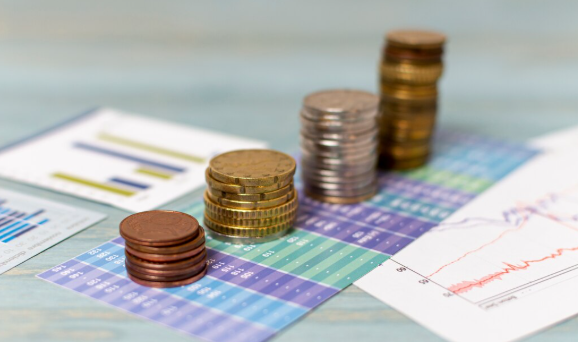
Investors track these trends closely to identify the best time to buy gold in Sri Lanka.
Central Bank Gold Purchases
One of the strongest factors influencing gold price prediction is the increasing demand from central banks around the world. In recent years, many countries have been steadily expanding their gold reserves as part of a long term strategy to strengthen financial security and diversify their assets. This growing demand has become a key driver in shaping overall gold price prediction trends, as large scale purchases by central banks directly impact global supply and demand.
A major reason behind this trend is the effort to reduce dependence on major currencies such as the US dollar, especially during periods of economic uncertainty and currency volatility. By increasing gold holdings, central banks aim to protect their economies from external financial risks and maintain stability. This continued accumulation of gold not only boosts investor confidence but also adds strong upward pressure on prices. As a result, current gold price prediction outlooks remain positive, with many analysts expecting central bank demand to play a crucial role in supporting higher gold prices in the coming years.

This consistent demand provides long-term support for the global gold price and reduces the risk of major price drops.
Geopolitical and Economic Uncertainty
Geopolitical tensions and global economic instability are major factors influencing gold price prediction in today’s market. Events such as wars, trade conflicts, and political uncertainty often push investors toward gold as a safe haven asset, increasing demand and impacting overall gold price prediction trends. In times of crisis, traditional markets like stocks and currencies can become highly volatile, making gold a more stable and reliable option for preserving wealth.
Additionally, ongoing economic challenges such as recession fears, rising debt levels, and currency fluctuations continue to shape the gold price prediction outlook. These uncertainties create long-term upward pressure on gold prices, as investors seek security during unpredictable conditions. As a result, many analysts believe that geopolitical risks will remain a key driver in gold price prediction for 2026, supporting strong demand and potentially higher price levels in the global market.

As uncertainty remains high, gold prices in Sri Lanka are expected to stay strong.
Gold as an Investment: Risk vs Reward

When analyzing gold price prediction, it is important to understand the balance between risk and reward in gold investment. Gold is widely considered a safe haven asset, offering stability during economic uncertainty and acting as a hedge against inflation. This makes it an attractive option for long term investors, especially when gold price prediction trends indicate steady growth over time. However, like any investment, gold also carries certain risks.
Short-term price fluctuations, changes in interest rates, and currency movements can impact the accuracy of gold price prediction, leading to periods of volatility. Unlike stocks or real estate, gold does not generate regular income, which may limit its appeal for some investors. Despite these risks, the overall gold price prediction outlook remains positive, particularly for those seeking to preserve wealth and reduce exposure to market instability. Therefore, understanding both the risks and rewards is essential when making informed decisions based on gold price prediction.
Gold is not designed for rapid growth like stocks, but it plays a key role in portfolio diversification and risk management.
Benefits of gold investment in Sri Lanka
-
Protection against currency depreciation
-
Stability during economic uncertainty
-
Reduced exposure to stock market volatility
Limitations to consider:
-
Gold does not generate regular income
-
Prices may remain stable during strong economies
-
Short-term gold price fluctuations can be unpredictable
Global Price Outlook: Short, Medium, and Long Term
-
Short term: The gold price today may fluctuate based on economic data and global events
-
Medium term: Continued demand could keep gold prices stable
-
Long term: Rising debt, inflation, and currency risks support long-term gold investment

Is Gold Still a Smart Investment?
Gold remains a valuable asset, especially for investors focused on long-term stability. While it may not always deliver high returns like stocks, it plays a critical role in protecting wealth during uncertain times.
For investors in Sri Lanka, gold continues to be a smart option for diversification, capital preservation, and managing financial risk.
Conclusion
In today’s uncertain global economy, the gold price continues to reflect its importance as a reliable investment. While market conditions may change, gold’s role as a hedge against inflation and economic instability remains strong.
For those looking to secure their financial future, gold investment in Sri Lanka is less about quick profits and more about long term stability and protection.